









Mastering Web 2.0 Backlinks: How to Build a Powerful Web 2.0 Link Wheel
 September 17, 2025
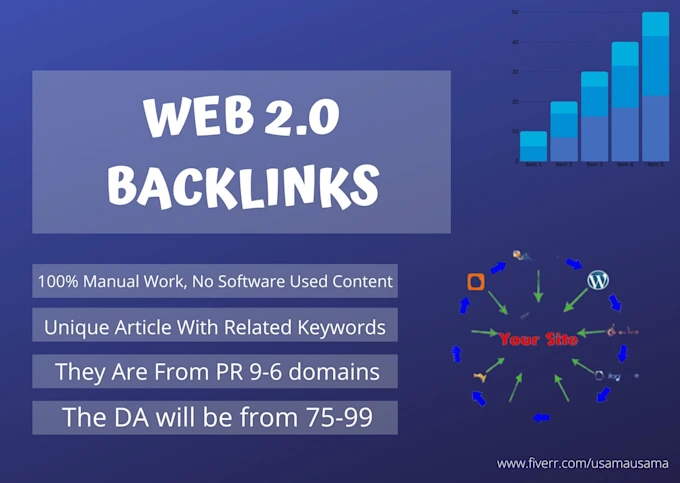
In the fast-paced digital world, web 2.0 backlinks remain a cornerstone for boosting your website’s authority and search engine rankings. These backlinks originate from high-authority platforms like WordPress, Blogger, and Tumblr, offering unique opportunities to enhance your SEO strategy. Unlike ordinary links, web 2.0 backlinks provide a blend of control, credibility, and relevance, making them an essential tool for anyone seeking long-term organic growth.
Creating a web 2.0 link wheel is one of the most effective ways to leverage these backlinks. This strategy involves crafting a network of interconnected web 2.0 properties that point to your main website, amplifying link juice while diversifying your backlink profile. Let’s dive into the art of constructing a web 2.0 link wheel step by step.
What Are Web 2.0 Backlinks?
Web 2.0 backlinks are links placed on user-generated content platforms where you can create your own mini-sites or blogs. These backlinks stand out because you control the content, the anchor text, and the surrounding context. By embedding links naturally within valuable content, these backlinks appear more organic to search engines and avoid the risks associated with spammy link-building tactics.
The platforms typically used include:
- WordPress.com – offers flexible customization and high authority.
- Blogger – Google-owned, providing fast indexing and trust.
- Tumblr – social and interactive, ideal for engagement.
- Weebly or Wix – less common, but still effective for niche strategies.
Why Build a Web 2.0 Link Wheel?
A web 2.0 link wheel consolidates multiple web 2.0 backlinks into a structured network. Each mini-site links to another in the wheel, eventually connecting back to your main website. This design distributes authority effectively and signals relevance to search engines.
Key benefits include:
- Enhanced link diversity – multiple domains linking back improves natural link profile.
- Improved indexing – interconnected web 2.0 properties help search engines crawl your content faster.
- Control over anchor text – reduces reliance on external sites for link placement.
- Reduced penalties – when done correctly, link wheels avoid black-hat SEO pitfalls.
Step-by-Step Guide to Creating a Web 2.0 Link Wheel
Step 1: Choose Your Platforms Strategically
Select 5–10 reputable web 2.0 platforms to form the foundation of your wheel. Prioritize authority, indexing speed, and niche relevance. The quality of platforms outweighs quantity—one high-authority blog can outperform several low-authority sites.
Step 2: Develop Unique, Valuable Content
Each web 2.0 property should host fresh, engaging, and informative content. Avoid generic posts; instead, write with action-oriented verbs, vivid descriptions, and practical insights that captivate readers. Include your primary keyword web 2.0 backlinks naturally within the content.
Step 3: Link Strategically Within the Wheel
Connect each web 2.0 site to the next in a circular fashion, with at least one link pointing to your main website. Ensure the links appear naturally within the content to maintain credibility. A sample structure:
- Site A → Site B → Site C → Site D → Main Website → Site A
Step 4: Optimize Anchor Text
Use varied anchor text to target relevant keywords without over-optimization. Mix branded, exact-match, and long-tail phrases. For instance:
- “Explore advanced SEO strategies”
- “Web 2.0 backlinks techniques for beginners”
- “Boost your site’s authority”
Step 5: Promote and Maintain Your Link Wheel
After building the wheel, share your web 2.0 properties on social media and niche forums. Regularly update content to keep your properties active, relevant, and indexed by search engines.
Common Mistakes to Avoid
- Duplicate content – search engines penalize repetitive text across multiple web 2.0 blogs.
- Excessive linking – too many outbound links appear spammy.
- Ignoring niche relevance – unrelated topics dilute SEO value.
- Neglecting updates – stale content may be de-indexed over time.
Conclusion
Harnessing web 2.0 backlinks through a well-structured link wheel can dramatically improve your website’s SEO performance. By strategically selecting platforms, creating unique content, and interlinking web 2.0 properties, you can amplify authority, enhance indexing, and attract organic traffic. A meticulously maintained link wheel transforms ordinary backlinks into a powerful SEO engine, elevating your website above the competition.
Frequently Asked Questions (FAQs)
Q1: Are web 2.0 backlinks still effective in 2025?
Yes. When created with unique content and diverse platforms, web 2.0 backlinks remain a strong method for building authority and improving rankings.
Q2: How many web 2.0 sites should I use in a link wheel?
Typically 5–10 high-quality platforms are sufficient. Quality outweighs quantity.
Q3: Can I reuse the same content across multiple web 2.0 sites?
No. Each post must be unique to avoid duplicate content penalties from search engines.
Q4: How often should I update my web 2.0 properties?
Ideally, every 2–4 weeks. Regular updates maintain relevance and improve indexing.
Q5: Do I need paid tools to manage a web 2.0 link wheel?
Not necessarily. Free platforms are effective, but using SEO management tools can streamline tracking and scheduling.